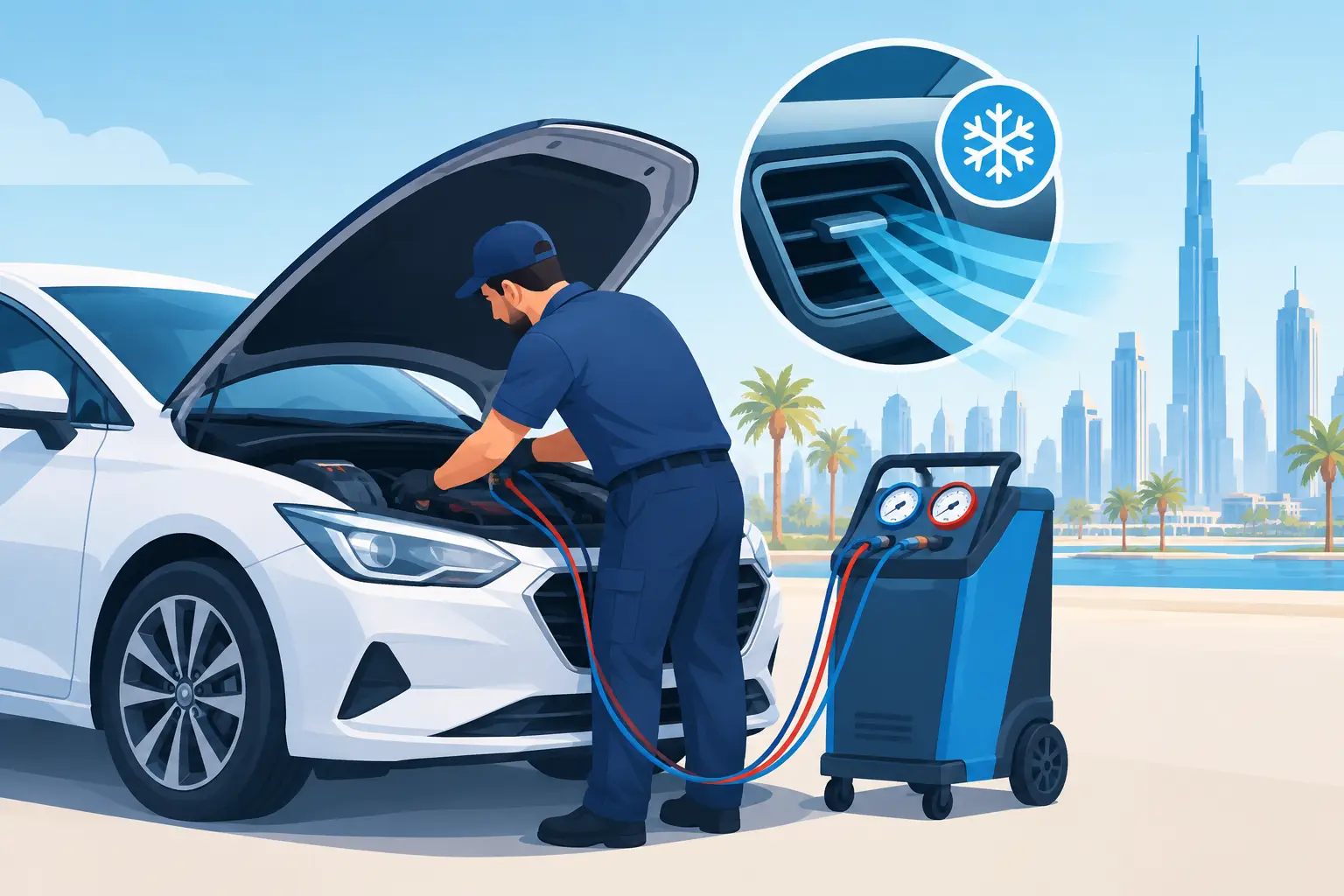
When your car’s air conditioning stops cooling properly, the problem isn’t always as simple as low gas or a broken fan. Two of the most overlooked—but deeply connected—components of the system are the AC evaporator and the expansion valve. If either becomes blocked or malfunctions, your entire cooling system can underperform or fail completely.
Understanding the relationship between these two parts can help you identify problems early and avoid costly repairs down the road.
What Does the AC Evaporator Do?
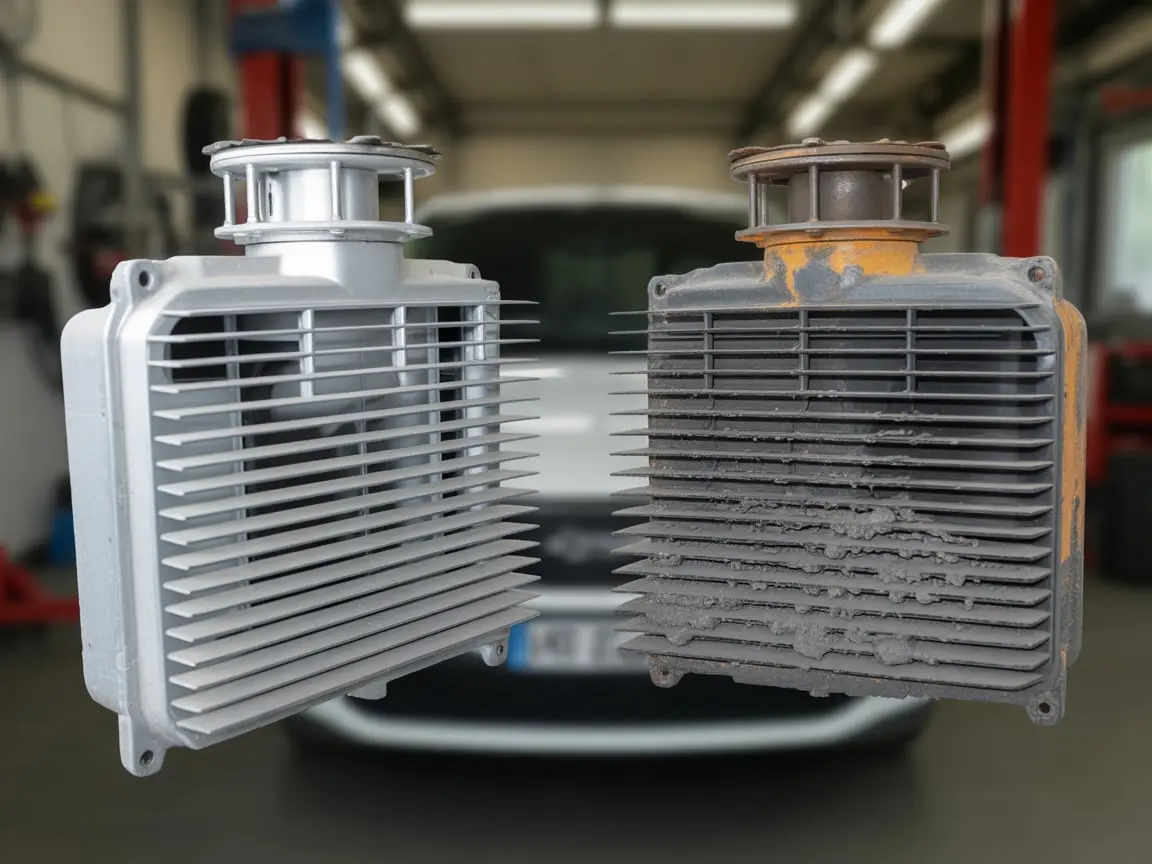
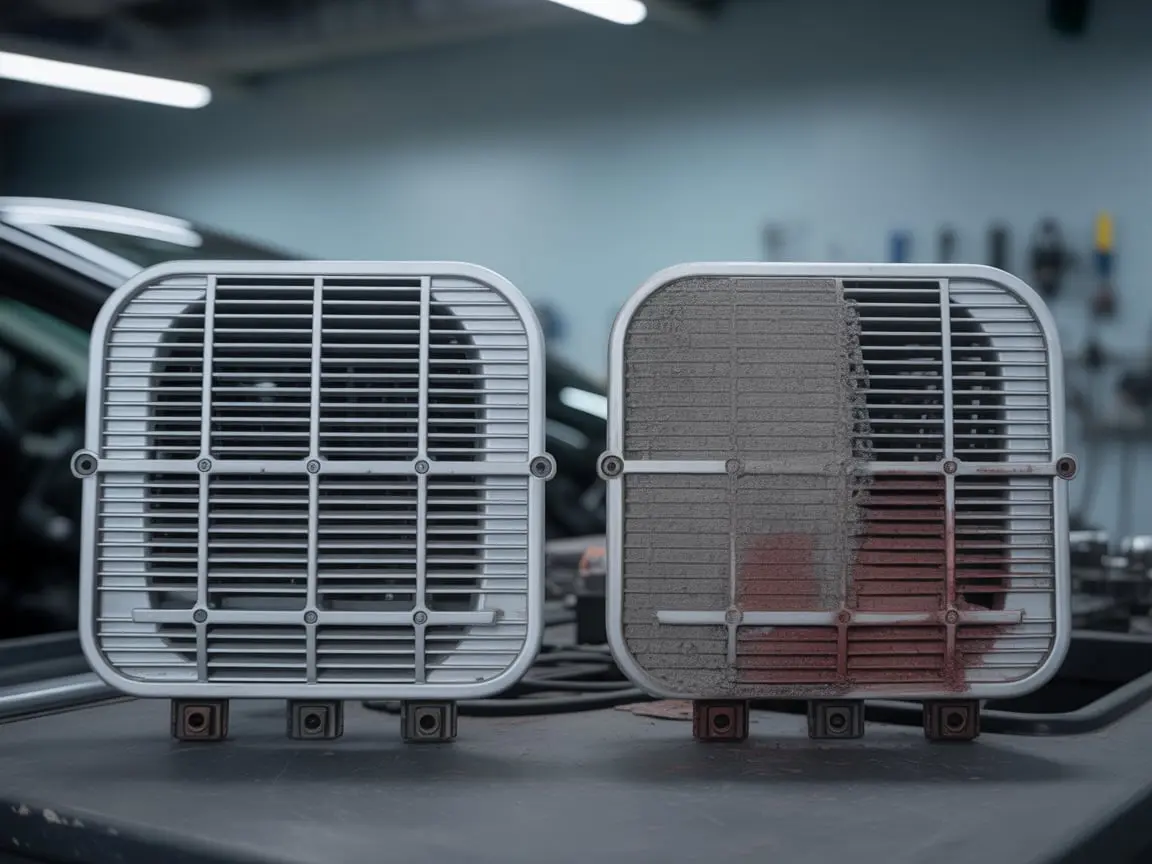
The car AC evaporator is located inside the dashboard and is responsible for absorbing heat from your vehicle’s cabin. As the refrigerant passes through it, the evaporator cools the air before it’s blown out through the vents. When this component becomes blocked with dirt, mold, or debris, airflow is restricted and cooling efficiency drops.
This can also cause the refrigerant to stay too long inside the evaporator, reducing pressure and potentially causing a drop in system performance.
The Role of the Expansion Valve
The AC expansion valve regulates the flow of refrigerant into the evaporator. It measures how much refrigerant enters based on the temperature and pressure in the system. If this valve becomes clogged, frozen, or stuck open/closed, the balance between refrigerant pressure and temperature is thrown off.
In such cases, even a clean evaporator can’t perform properly, because it’s either flooded with too much refrigerant or starved of it.
How the Two Are Linked
The evaporator and expansion valve depend on each other for proper function. A blocked AC evaporator increases system pressure, which puts stress on the expansion valve, possibly causing it to stick or malfunction. On the flip side, a faulty expansion valve can either overfeed or underfeed refrigerant to the evaporator, leading to internal freezing or overheating, both of which can block the evaporator over time.
This cycle, where one failing part causes another to break, can result in total AC system failure if not addressed early.
Warning Signs to Watch For
While these issues are often hidden deep inside the AC system, here are some symptoms that could point to evaporator or expansion valve problems:
- Weak or warm airflow from vents
- Unusual hissing sounds when the AC is turned on
- Ice buildup on AC lines or vents
- Strong mildew smell from the dashboard
- Fluctuating cooling performance
If you’re noticing any of these, it’s a good idea to seek car AC services in Dubai from experienced technicians who can properly diagnose internal AC components.
What About Refrigerant Loss?
Sometimes the first clue that something’s wrong with your AC system is low refrigerant. Car AC gas leaking symptoms can include hissing noises, oil residue around AC fittings, and a sudden loss of cooling.
While leaks may occur elsewhere, a compromised evaporator or pressure imbalance due to expansion valve issues can also lead to system strain and leakage. A professional pressure test can help identify the root cause.
The Importance of Proper AC Recharging
If either the evaporator or the expansion valve has been replaced, recharging car’s AC with the correct type and amount of refrigerant is critical. Over or undercharging can quickly lead to repeat problems and may damage sensitive components again.
That’s why accurate diagnosis, expert service, and proper recharging are vital for long-term AC performance.
Conclusion: Don’t Ignore the Warning Signs
Your car’s comfort depends on a healthy AC system. While the evaporator and expansion valve may be out of sight, they shouldn’t be out of mind. If you notice weak airflow, poor cooling, or persistent AC issues, don’t assume it’s a simple fix.
Get your vehicle checked by specialists who understand the hidden link between evaporator blockages and expansion valve failures. Catching these issues early will save you time, money, and a lot of sweat in Dubai’s heat.