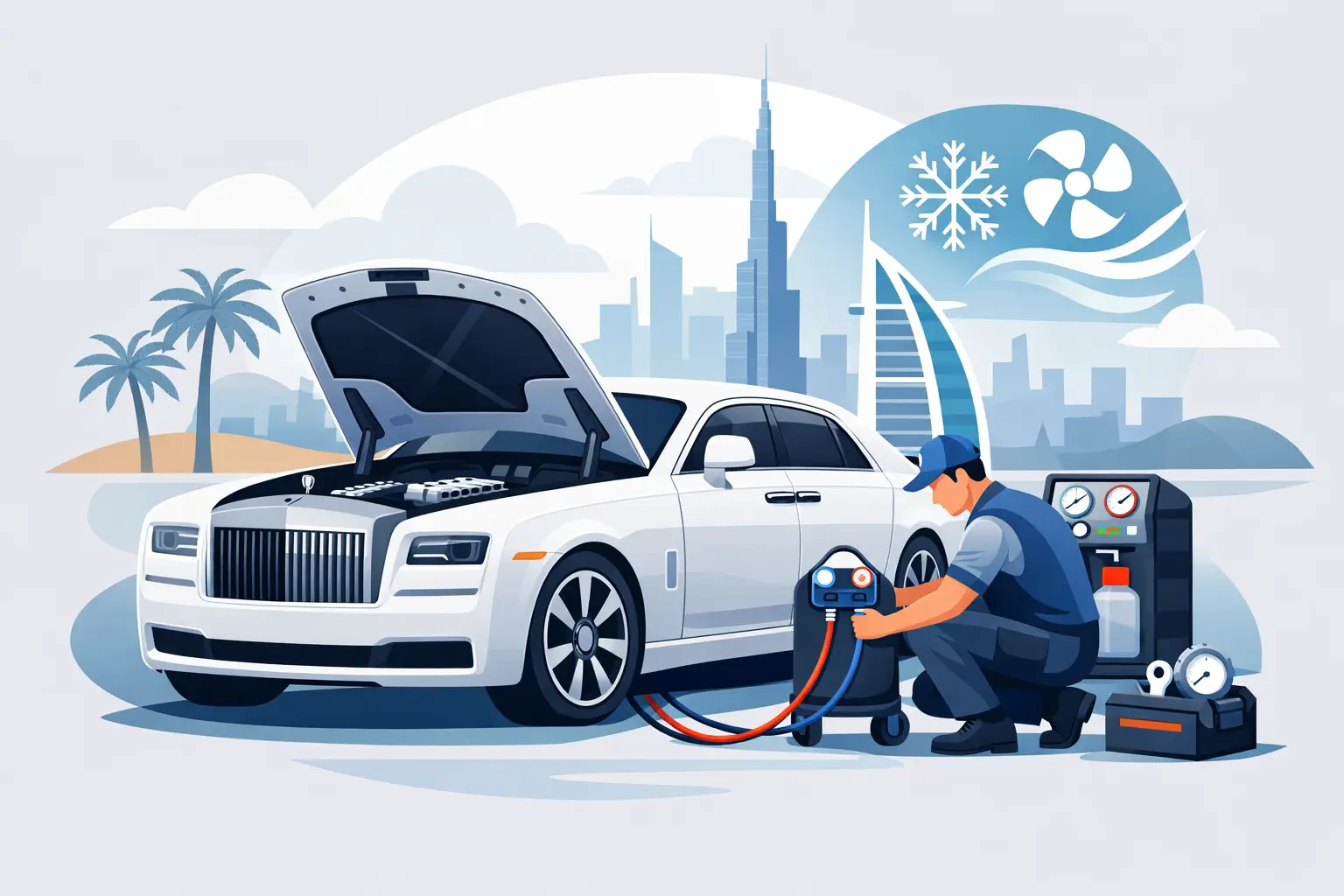
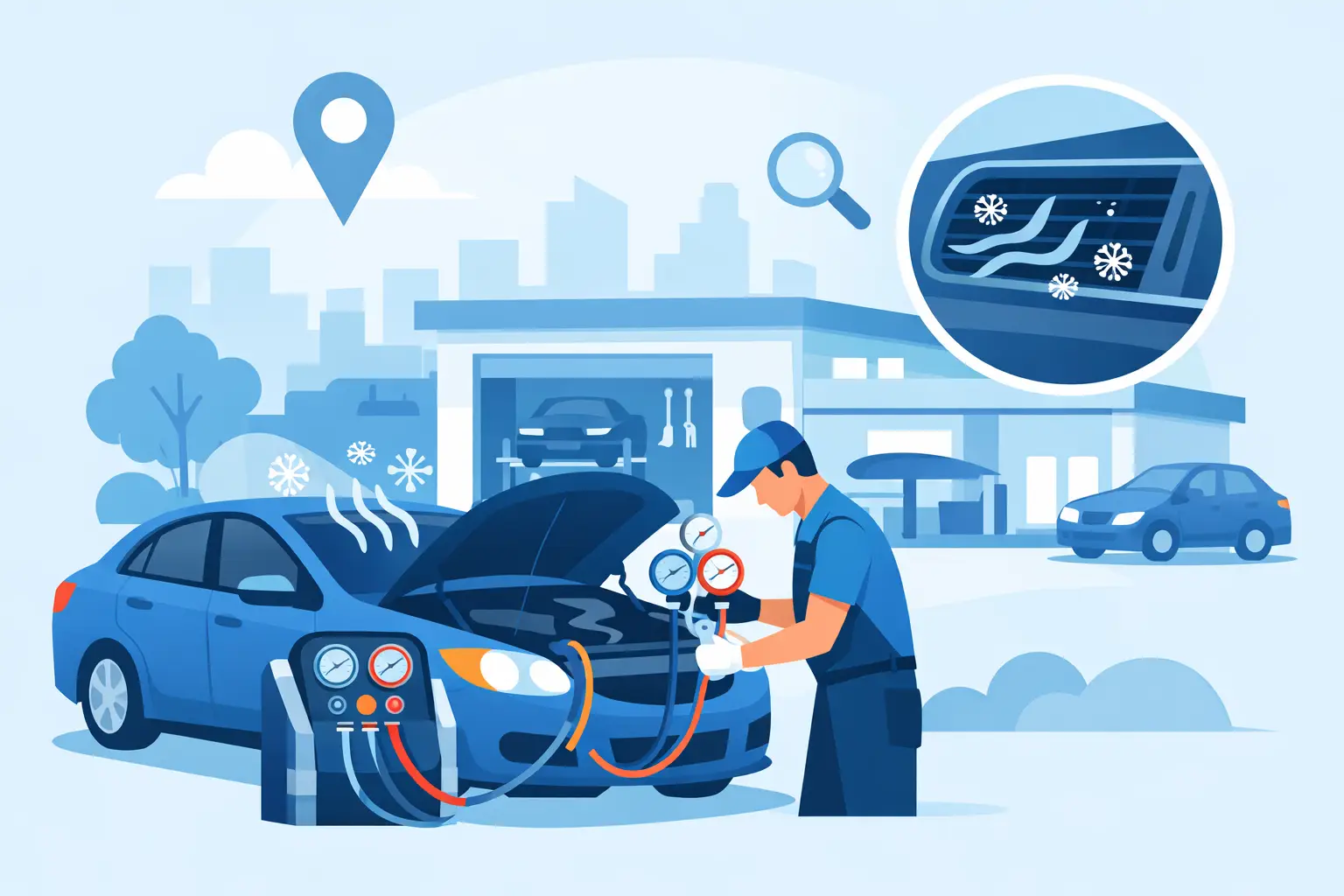
When summer temperatures soar in the UAE, air conditioning becomes more than a luxury—it’s a necessity. But one common concern many drivers have is: does AC in car consume fuel? The answer is yes, though the degree varies depending on the vehicle, driving conditions, and maintenance. In this guide, we’ll break down the facts, explain the science, and share practical tips for drivers in Dubai, Sharjah, and across the UAE.
How Car AC Systems Work
To understand why fuel is consumed, it’s important to know how a car’s air conditioning functions. The AC system uses a compressor, which is powered directly by the engine. When you turn on the AC, the compressor engages and places an additional load on the engine. This load requires extra energy, which comes from burning more fuel.
Key components include:
- Compressor – draws power from the engine.
- Condenser & evaporator – help cool and circulate refrigerant.
- Blower motor – circulates cold air inside the cabin.
How Much Fuel Does AC Really Use?
Research shows that running the AC can increase fuel consumption by 5–20%, depending on driving conditions. In city traffic, where stop-and-go movement already lowers fuel efficiency, using the AC has a greater effect compared to steady highway driving.
For example:
- A compact car may burn an extra 0.2 to 0.5 liters per hour of fuel with AC on.
- Larger SUVs and luxury cars in the UAE may consume 0.8 liters per hour or more.
This means that while the difference might seem small for short trips, it adds up significantly over time.
Climate Impact in the UAE
The hot desert climate in Dubai, Abu Dhabi, and Sharjah makes AC use unavoidable. Temperatures frequently exceed 40°C in summer, meaning drivers rely on AC for comfort and safety. Because of this, the impact on fuel efficiency is higher in the UAE compared to cooler regions.
Role of Proper AC Maintenance
Many drivers overlook the importance of timely servicing, but a poorly maintained AC system can consume even more fuel. Dirty filters, clogged condensers, or leaking refrigerant force the compressor to work harder. For this reason, booking regular Car Ac Repair in Dubai not only ensures comfort but also reduces unnecessary fuel wastage.
Vehicle Type and AC Efficiency
Different cars respond differently to AC use:
- Small hatchbacks: AC has a larger relative impact because engines are smaller.
- Mid-sized sedans: Moderate effect, though noticeable in city driving.
- Luxury SUVs: Higher AC capacity means increased fuel use, but large engines absorb the load more effectively.
For example, specialty services such as Mini Cooper AC Repair Dubai highlight how premium compact cars require expert attention since their AC systems are finely tuned for performance.
Best Practices to Reduce Fuel Impact
While you can’t avoid using AC in UAE summers, you can reduce its effect on fuel consumption by adopting smart practices:
- Park in shaded areas to reduce cabin heat buildup.
- Ventilate before turning on AC by rolling down windows for a minute.
- Use recirculation mode to cool faster and reduce strain on the system.
- Keep AC filters clean for efficient airflow.
- Schedule maintenance checks before peak summer months.
In fact, following a simple Car AC Maintenance Checklist can improve efficiency, extend system lifespan, and save fuel in the long run.
AC vs. Open Windows: Which is Better?
Many drivers think switching off AC and rolling down windows saves fuel. While this is true at low speeds, studies show that at highway speeds, open windows increase aerodynamic drag, causing more fuel loss than AC use. Therefore:
- City driving: open windows may save some fuel.
- Highway driving: AC is more fuel-efficient and comfortable.
Safety Considerations
Driving without AC in extreme UAE heat can lead to driver fatigue, dehydration, and reduced concentration. For safety, keeping AC on is often the better choice—even if it means slightly higher fuel use.
Conclusion
So, does AC in car consume fuel? Absolutely. The compressor places an extra load on the engine, leading to increased fuel consumption of around 5–20%. However, with proper maintenance, smart usage habits, and awareness of your car’s condition, you can keep the extra fuel burn to a minimum.
In the UAE, where temperatures are extreme, AC isn’t optional—it’s essential for safety and comfort. By staying informed, following maintenance checklists, and booking timely repairs, drivers can balance fuel efficiency with cool comfort on the road.